
How to Build a Concrete Patio That Lasts for Decades
The key steps to ensure a durable concrete patio installation start with proper planning, solid base prep, correct mixing and pouring, and careful curing. When each step is done the right way, your patio can handle heavy foot traffic, changing weather, and daily use without cracking or sinking.
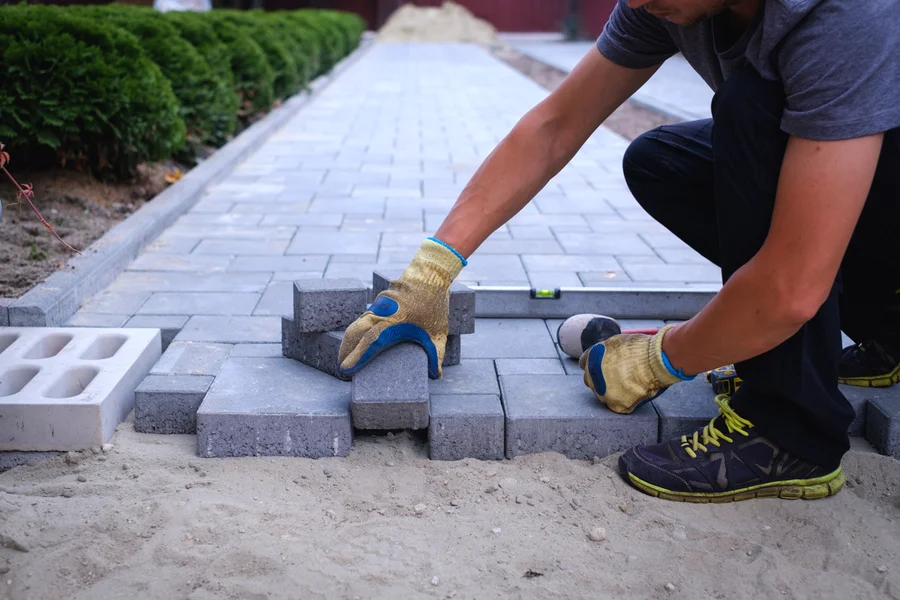
What You Need Before Starting
Before any patio installation begins, you need a clear plan. Think about size, shape, drainage, and how you will use the space. Will it hold heavy outdoor furniture? A grill? Maybe even a hot tub? The weight matters.
You also need the right materials and tools. Basic items include:
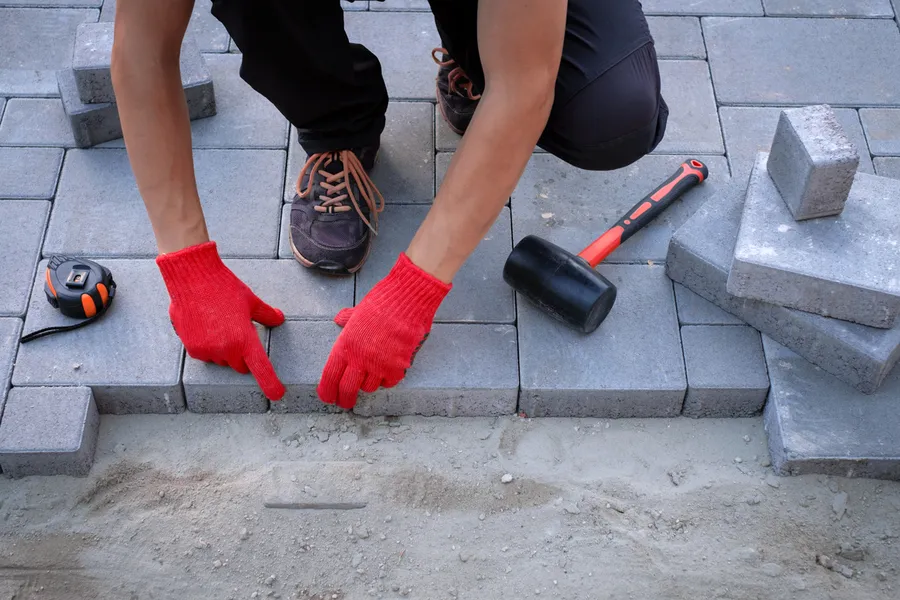
- Wood forms and stakes
- Gravel for the base
- Rebar or wire mesh for strength
- Concrete mix
- A level and straight edge
- A float and trowel
If the patio connects to your home, check local building rules. Some areas require spacing from the foundation or specific slopes for drainage.
Step-by-Step Process for Strong Results
Each step plays a big part in long-term strength. Skipping one can lead to cracks or uneven spots later.
- Plan and mark the area. Outline the patio with stakes and string. Measure twice so the shape stays square.
- Excavate the soil. Dig deep enough for gravel and concrete. Usually 6 to 8 inches total depth works for most homes.
- Add and compact gravel. Pour 3 to 4 inches of gravel. Compact it firmly. This supports the slab and helps with drainage.
- Build wood forms. Place forms around the edges. Make sure they are level and secure.
- Add reinforcement. Lay rebar or wire mesh before pouring. This helps prevent cracking.
- Pour the concrete. Spread evenly and use a straight edge to smooth the surface.
- Finish the surface. Use a float for smoothness or a broom for slip resistance.
- Cure the concrete. Keep it slightly moist for several days. Slow curing builds strength.
Common Mistakes to Avoid
Many patio problems start with poor preparation. One common mistake is pouring concrete directly onto dirt. Soil shifts over time. Without a gravel base, the slab may crack.
Another issue is poor drainage. Concrete should slope slightly away from the house. Water pooling on the surface can cause damage in colder climates.
Rushing the curing stage also causes trouble. Concrete that dries too fast becomes weak. Lightly misting the surface for several days can make a big difference.
Finally, do not skip reinforcement. Even small patios benefit from added support.
When to Call a Professional
Some patio installation projects are simple. Others are more complex. Larger patios, sloped yards, or areas with poor soil may need expert grading. If the patio will support heavy structures, the base requirements may change.
A professional team can also add decorative finishes, borders, or stamped designs. Many homeowners exploring want a smooth, strong surface without the stress of handling large concrete pours.
If you are unsure about soil stability or drainage, it is smart to get advice before pouring.
Final Recommendation and Next Steps
A durable patio installation comes down to careful planning, solid ground preparation, proper reinforcement, and patient curing. Cutting corners often leads to cracks, sinking, or drainage problems within a few years. Taking your time at each stage helps the patio stay level and strong for decades.
Ready to Build a Patio That Lasts?
If you are planning a patio installation in Monroe, NC, our team at Cruz Concrete Solution can help you create a strong, long-lasting outdoor space. We handle every step with care, from ground prep to final finishing. Call us at (980) 317-8628 to schedule a consultation and let us build a patio you will enjoy for years.